The fintech industry continues to grow rapidly, but so does regulatory scrutiny. Financial regulators across the world are placing greater focus on how fintech companies manage compliance, customer protection, anti-money laundering (AML), and data security.
In the first half of 2025 alone, regulators issued 139 penalties worth more than $1.23 billion globally, with many enforcement actions linked to failures in AML, KYC, and sanctions compliance. For fintech startups, this highlights an important reality: compliance is no longer optional infrastructure. It is a core business requirement.
Many startups focus heavily on innovation, user acquisition, and scaling operations. However, weak compliance frameworks can delay growth, create licensing challenges, damage partnerships, and expose businesses to financial penalties.
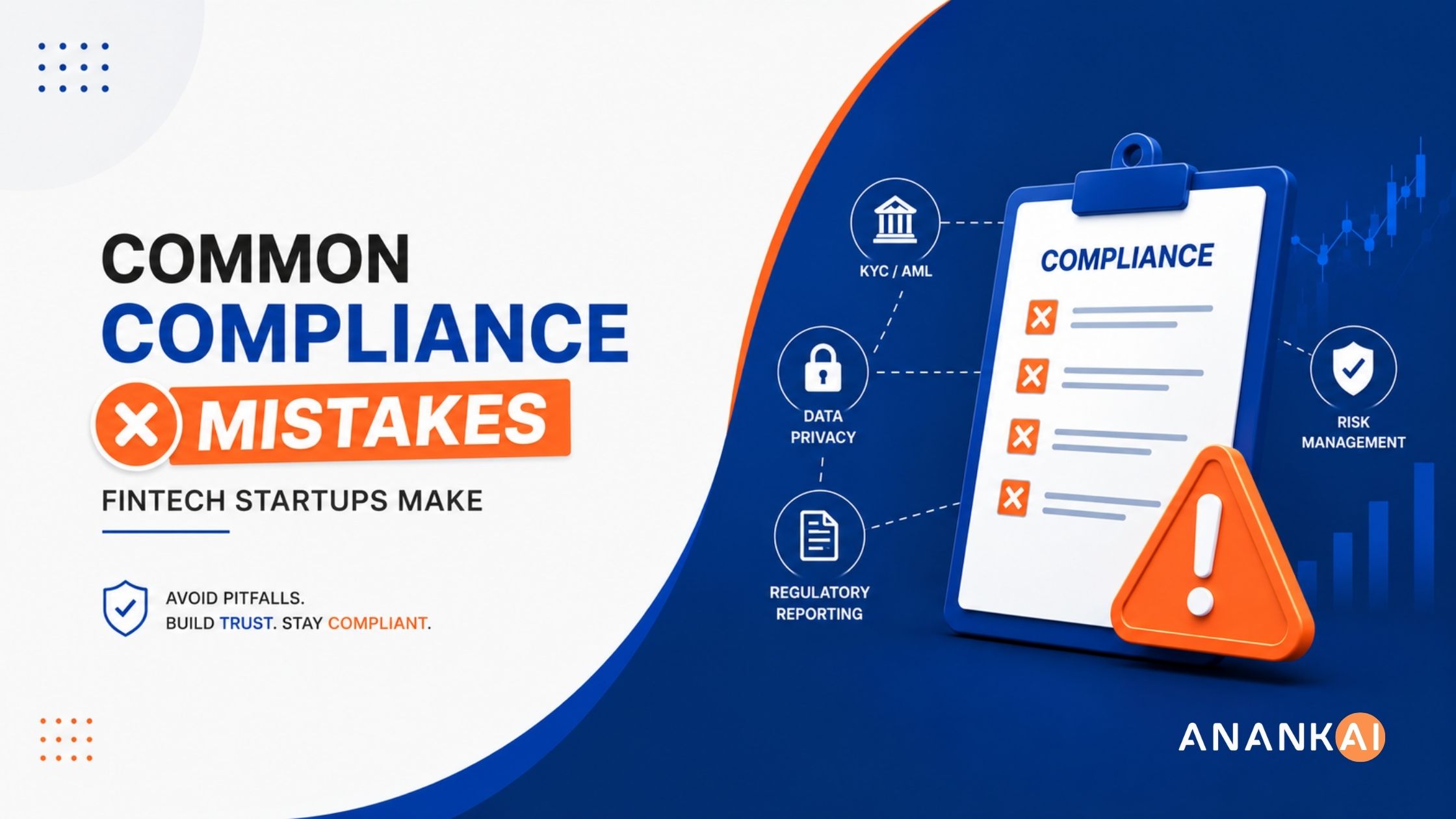
In this blog, we explore the most common compliance mistakes fintech startups make and how businesses can avoid them.
1. Misunderstanding Regulatory Requirements
One of the most common mistakes fintech startups make is underestimating the complexity of financial regulation.
Different fintech services fall under different regulatory frameworks. Payment services, digital wallets, lending platforms, EMI services, and cross-border payment solutions may all require separate approvals or licenses depending on the jurisdiction.
Many startups assume they are simply “technology providers” rather than regulated financial institutions. Regulators, however, focus on the nature of the financial service being offered — not how the company describes itself.
Without proper regulatory assessment, startups risk launching products without authorization or overlooking important compliance obligations.
How to Avoid It
Before launching any financial product, fintech companies should conduct a full regulatory mapping exercise to identify:
- Applicable regulations
- Licensing requirements
- Reporting obligations
- Cross-border compliance considerations
2. Treating Compliance as a Secondary Priority
Many fintech startups delay compliance planning until after product launch. While this may accelerate early development, it often creates larger operational problems later.
Compliance impacts core areas of fintech infrastructure, including:
- Customer onboarding
- Identity verification
- Transaction monitoring
- Audit trails
- Reporting systems
Adding compliance controls after launch may require expensive platform redesigns and operational restructuring.
How to Avoid It
Adopt a compliance-by-design approach. Regulatory requirements should be integrated into product architecture from the beginning rather than added later.
3. Weak KYC and AML Controls
AML and KYC compliance remain one of the biggest enforcement priorities for financial regulators.
Fintech companies are expected to:
- Verify customer identities
- Detect suspicious activity
- Monitor transactions
- Report financial crime risks
Many startups implement only basic AML controls that fail to scale with transaction growth. Weak controls increase the risk of fraud, money laundering, and sanctions violations.
How to Avoid It
Fintech businesses should invest in:
- Strong identity verification systems
- Automated AML screening
- Real-time transaction monitoring
- Risk-based customer due diligence
Robust AML frameworks help protect both the business and its customers.
4. Ignoring Data Protection and Privacy Compliance
Fintech companies handle highly sensitive customer information, including:
- Personal identity data
- Banking information
- Payment records
- Transaction histories
Poor data governance or weak security infrastructure can result in data breaches, privacy violations, and regulatory action.
As digital financial services expand, regulators are increasing their focus on how fintech firms collect, store, and process customer data.
How to Avoid It
Startups should implement:
- Secure cloud infrastructure
- Data encryption
- Access controls
- Clear privacy policies
- Regular security audits
Strong data protection practices also improve customer trust.
5. Operating Without Proper Financial Licenses
Launching financial services without the correct authorization is a serious compliance risk.
Depending on the business model, fintech firms may require licenses for:
- Payment processing
- EMI services
- Digital banking
- Remittance operations
- Cross-border financial services
Some startups assume partnerships with regulated institutions remove their licensing responsibilities. However, regulators still expect fintech companies to understand and comply with licensing requirements.
How to Avoid It
Work with compliance specialists and legal advisors to determine:
- Required licenses
- Jurisdiction-specific obligations
- Passporting or cross-border permissions
6. Weak Governance and Compliance Oversight
Fast-growing fintech startups often prioritize engineering and product teams while overlooking governance structures.
However, regulators expect companies to establish:
- Compliance oversight
- Internal controls
- Risk management frameworks
- Clear reporting structures
Without dedicated compliance leadership, startups may struggle to respond effectively to regulatory expectations.
How to Avoid It
Build governance frameworks early by:
- Appointing compliance officers
- Defining internal accountability
- Conducting regular compliance reviews
- Creating documented escalation procedures
7. Poor Documentation and Record-Keeping
Regulators require fintech companies to maintain detailed compliance records, including:
- Customer due diligence files
- AML monitoring alerts
- Internal investigations
- Compliance policies
- Audit records
Poor documentation can create significant problems during audits, inspections, or license applications.
How to Avoid It
Implement centralized compliance documentation systems with:
- Automated record retention
- Audit trails
- Secure storage
- Easy retrieval processes
Clear documentation demonstrates operational maturity and regulatory readiness.
8. Failing to Keep Up with Regulatory Changes
Financial regulation evolves rapidly, especially in areas such as:
- Open banking
- Digital assets
- Embedded finance
- AI-driven financial services
- Cross-border payments
Startups that fail to monitor regulatory updates may unintentionally fall out of compliance.
How to Avoid It
Fintech companies should:
- Monitor regulatory announcements
- Conduct periodic compliance reviews
- Subscribe to regulatory updates
- Work with compliance advisors
Staying proactive reduces long-term compliance risk.
9. Overlooking Third-Party Compliance Risks
Most fintech platforms rely on third-party providers for:
While outsourcing improves speed and scalability, it also introduces operational and compliance risks.
Regulators may still hold fintech companies accountable for failures caused by vendors or partners.
How to Avoid It
Conduct proper vendor due diligence by assessing:
- Security controls
- Regulatory certifications
- Operational resilience
- Compliance history
Ongoing vendor monitoring is equally important.
10. Poor Customer Transparency
Transparency is a critical part of financial services regulation.
Customers should clearly understand:
- Product terms
- Fees and charges
- Service limitations
- Risks associated with financial products
Some fintech startups prioritize fast onboarding and user experience while overlooking disclosure requirements.
How to Avoid It
Ensure all customer communication is:
- Clear
- Transparent
- Accessible
- Legally compliant
Transparent communication strengthens customer trust and reduces regulatory complaints.
Final Thoughts
Fintech startups operate in one of the world’s most highly regulated industries. While innovation drives growth, sustainable success depends on building strong compliance foundations from the start.
Businesses that treat compliance as a strategic function rather than a regulatory burden are better positioned to scale, attract partnerships, and maintain long-term customer trust.
For fintech companies navigating evolving regulatory requirements, working with experienced compliance specialists can simplify the process and reduce operational risk.
At AnankAI, we help fintech platforms strengthen compliance operations through scalable KYC, AML, onboarding, monitoring, and regulatory technology solutions.