As finance embraces the digital revolution, the world of investments is transforming faster than ever. Digital assets such as cryptocurrencies have moved from the edges of innovation to the mainstream of global markets. But as adoption grows, so does the need for secure and intelligent crypto custody solutions to protect these valuable holdings.
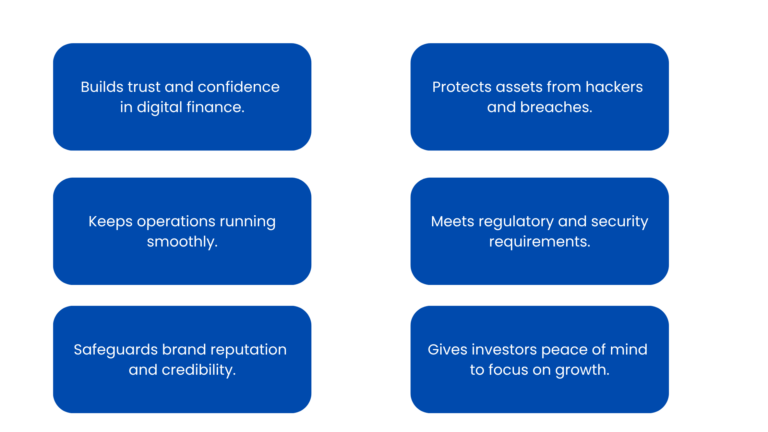
With cyber threats increasing and regulations tightening, institutions must rely on advanced digital asset custody frameworks. These systems ensure protection against theft, maintain compliance, and provide peace of mind for investors.
This whitepaper explores what the future holds for crypto custody services and why they’re critical to the evolving financial ecosystem.
What is Digital Asset Custody?
Digital asset custody refers to the secure storage and management of cryptocurrencies and other tokenised assets. At its core, it safeguards private keys (the cryptographic codes that grant ownership and access to digital currencies).
Losing these keys means losing access to funds permanently, making custody an essential layer of protection. To mitigate risks, custodians use multi-signature wallets that require multiple approvals before transactions are processed. This structure adds resilience against unauthorised access.
Institutional custodians also provide insurance coverage against theft or loss, ensuring that organisations meet compliance and investor protection standards. In simple terms, crypto custody acts as a digital vault by keeping assets safe while allowing secure, compliant operations.
Why Secure Custody Matters
Business Opportunities in Crypto Custody
Wealth Management
Private wealth firms can use crypto custody to securely store and manage clients’ digital assets alongside traditional portfolios, offering a unified investment experience.
Payment Companies
Payment providers can integrate digital asset custody to enable seamless crypto-based transactions, merchant settlements, and stablecoin transfers within secure, compliant frameworks.
Hedge Funds
Leverages institutional-grade custody to hold, trade, and rebalance cryptocurrency assets safely while meeting audit and reporting requirements.
Exchanges and Trading Platforms
Centralised and decentralised exchanges can partner with custody providers to ensure users’ funds remain protected from breaches and unauthorised access.
Insurance and Pension Funds
As digital assets enter long-term investment strategies, regulated crypto custody solutions help these institutions store assets securely and comply with strict governance standards.
Tokenisation Platforms
Firms offering tokenised real estate, equity, or commodities can rely on secure custody to hold and manage tokenised assets and investor holdings transparently.
Venture Capital and Start-ups
Crypto-focused funds and start-ups can adopt digital asset custody for holding treasury reserves, fundraising tokens, or equity-based digital assets securely.
Types of Digital Assets
Understanding the types of assets under crypto custody is key to building the right storage framework:
Cryptocurrencies: Decentralised digital currencies like Bitcoin and Ethereum that enable peer-to-peer transactions.
Tokenised Assets: Real-world assets such as real estate or art represented on the blockchain, improving liquidity and accessibility.
Non-Fungible Tokens (NFTs): Unique digital certificates representing ownership of items like artwork, music, or in-game assets.
Stablecoins: Digital currencies pegged to traditional fiat currencies to reduce volatility and enable easier transactions.
Each category presents unique challenges in digital asset custody, demanding specialised storage, compliance, and recovery mechanisms.
AnankAI’s Modular Approach to Crypto Custody
AnankAI redefines crypto custody with its modular approach. Designed for flexibility, it allows institutions to build and scale tailored custody environments with maximum security and efficiency.
The platform integrates with Fireblocks, providing services such as:
Secure wallet infrastructure
Multi-signature and MPC (Multi-Party Computation) technology
Tokenisation and asset issuance management
Transaction monitoring and risk analytics
Regulatory compliance tools
Insurance and recovery mechanisms
Real-time reporting and API integrations
Each component can be configured independently, enabling financial institutions to create a bespoke digital asset custody system. This adaptability ensures seamless upgrades as technology evolves and regulations advance.
By combining modular architecture with enterprise-grade security, AnankAI empowers organisations to protect digital assets confidently while maintaining control, compliance, and scalability.
Future Predictions and Trends in Digital Asset Custody
The future of crypto custody will be defined by innovation and collaboration. Key trends include:
Integration with traditional finance: Custody providers will bridge digital and legacy systems, enhancing transparency.
Regulatory clarity: Governments will continue defining compliance frameworks, giving institutions greater confidence to adopt crypto.
AI and automation: Predictive analytics will strengthen risk management and transaction monitoring.
Tokenisation of real-world assets: More asset classes will go digital, requiring specialised custody models.
Decentralised storage solutions: Enhanced resilience and autonomy through distributed architectures.
As these trends unfold, digital asset custody will evolve from a back-office function into a strategic enabler for the global financial ecosystem.
Conclusion
The next decade will redefine how institutions secure, manage, and grow their digital asset portfolios. Effective crypto custody is no longer optional; it’s fundamental to sustaining trust, compliance, and operational excellence.
With adaptable systems like AnankAI’s modular custody framework, organisations can confidently embrace the digital future. As adoption accelerates, those who prioritise security and scalability will lead the way in shaping the future of finance.
Anankai Digital Asset Custody is an institutional-grade platform designed to securely store, manage, and safeguard cryptocurrencies and tokenized assets. It provides regulated entities, fintech companies, and asset managers with secure infrastructure, governance controls, and compliance-ready custody solutions.
Anankai uses a multi-layered security architecture that includes cold storage, multi-signature authorization, hardware security modules (HSMs), encryption, and strict role-based access controls. Every transaction follows structured approval workflows with full audit trails to reduce operational and cyber risks.
Anankai builds its custody infrastructure to align with UAE regulatory frameworks, including VARA (Dubai) and ADGM/FSRA requirements where applicable. The platform supports AML monitoring, KYC/KYB integration, reporting capabilities, and asset segregation to help clients meet regulatory obligations.
Anankai’s custody solution can support major cryptocurrencies, stablecoins, and tokenized digital assets, depending on client requirements and regulatory permissions. The platform is designed to scale as digital asset markets evolve.
Anankai’s custody solution is built for exchanges, fintech platforms, EMIs, asset managers, family offices, and institutional investors seeking secure, scalable, and compliance-ready digital asset infrastructure.